The Essential Role of a Pond Specialist in Maintaining Clean Water
Ponds serve as vital ecosystems, providing habitat for wildlife, supporting aquatic plants, and enhancing the beauty of landscapes. However, maintaining these delicate environments can be challenging. This is where the expertise of a pond specialist becomes essential. These professionals not only ensure the aesthetic appeal of ponds but also play a crucial role in maintaining water quality, which is fundamental to the health of aquatic life. In this article, we delve into the various responsibilities of pond specialists, the challenges they face, and the best practices they employ to keep ponds thriving.
Understanding Water Quality: Key Indicators
Water quality is the cornerstone of a healthy pond ecosystem. Several indicators are crucial for assessing water quality:
- pH Levels: Most freshwater ponds function optimally at a pH between 6.5 and 8.5. Deviations can affect plant and animal health.
- Dissolved Oxygen: Essential for fish and beneficial bacteria, dissolved oxygen levels should be kept above 5 mg/L for a vibrant ecosystem.
- Nutrient Levels: High levels of nutrients, particularly nitrogen and phosphorus, can lead to algae blooms, which disrupt the balance of the pond.
- Turbidity: Clear water is an indicator of good health, while cloudy water can suggest the presence of pollutants or overgrowth of algae.
Understanding these parameters helps pond specialists address any issues promptly and effectively, ensuring a balanced environment for all inhabitants.
Challenges in Pond Maintenance
Pond maintenance comes with its own set of challenges. Some common issues include:
- Invasive Species: Non-native plants and animals can outcompete local species, leading to biodiversity loss.
- Pollution: Runoff from nearby land can introduce chemicals and waste, impacting water quality.
- Climate Change: Increased temperatures and altered precipitation patterns can stress aquatic systems.
- Mechanical Failures: Pumps, filters, and aerators can malfunction, influencing oxygen levels and water circulation.
Addressing these challenges requires regular assessments and informed interventions by a pond specialist to preserve and restore aquatic environments.
Best Practices for Water Quality Management
To maintain excellent water quality, pond specialists employ several best practices:
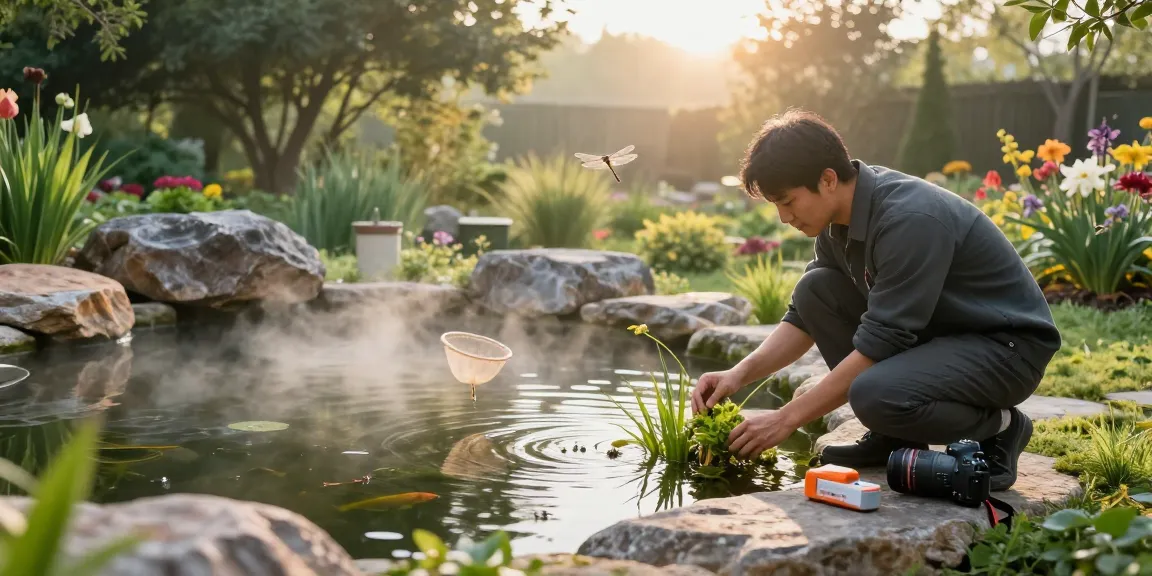
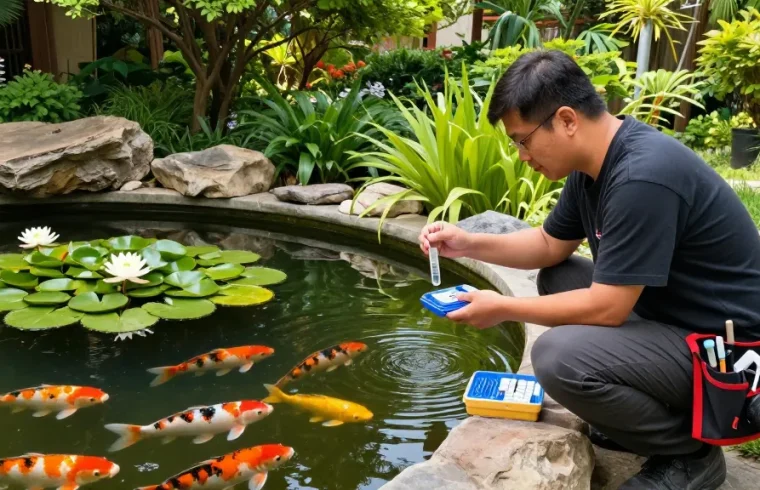
- Regular Testing: Routine water tests help monitor key indicators and identify potential problems before they escalate.
- Proper Aeration: Ensuring adequate oxygen levels through aeration techniques promotes a healthy habitat for fish and other organisms.
- Waste Management: Implementing strategies to manage organic waste, such as dead plants and animal materials, helps reduce nutrient overload.
- Native Plant Integration: Encouraging the growth of native aquatic plants supports local wildlife and improves water quality.
By following these practices, pond specialists can effectively enhance the health and aesthetics of ponds, contributing to sustainable environments.
Common Misconceptions About Pond Specialists
Despite their critical role, many misconceptions surround the profession of pond specialists. Understanding these can help property owners appreciate the value these experts offer.
What Pond Specialists Actually Do
Pond specialists are not merely landscapers who install decorative water features; they are trained professionals who focus on the ecological health of ponds. Their tasks encompass:
- Water Quality Monitoring: Regularly testing for chemical and biological indicators.
- Hydroponic Care: Managing aquatic plants and ensuring their proper growth and placement.
- Wildlife Management: Supporting the diverse life forms within ponds and managing any invasive species.
- Remediation Services: Addressing problems like algae blooms or pond silt buildup.
These experts possess a deep understanding of aquatic biology and ecology, making them indispensable for anyone looking to maintain a healthy pond.
Debunking Myths: Cost vs. Value
One prevalent misconception is that hiring a pond specialist is an unnecessary expense. While the upfront costs may seem high, the long-term benefits justify the investment:
- Preventive Care: Regular maintenance can prevent costly repairs and replacements in the future.
- Increased Property Value: Well-maintained ponds enhance the appeal and value of properties.
- Environmental Benefits: Healthy ponds contribute to biodiversity and local ecosystems.
Investing in a pond specialist not only protects the ecological integrity of the water feature but also promotes cost-effective long-term management.
Importance of Professional Advice
Having access to expertise is invaluable, particularly when dealing with complex ecosystems. Professional advice from a pond specialist aids in:
- Customized Solutions: Tailoring approaches based on individual pond needs and characteristics.
- Access to Advanced Tools: Utilizing specialized equipment and techniques for effective maintenance.
- Education and Training: Learning about sustainable practices that property owners can implement themselves.
By prioritizing professional guidance, pond owners can foster a thriving aquatic environment, ensuring the health and longevity of their water features.
Innovative Techniques and Tools Used by Pond Specialists
The field of pond maintenance is evolving, with specialists adopting new technologies and techniques to optimize care. This section explores some notable advancements.
Emerging Technologies for Pond Maintenance
Innovation in pond care has introduced several revolutionary tools, including:
- Water Quality Sensors: Real-time monitoring devices that provide continuous data about water conditions.
- Drone Surveillance: Aerial technology that allows for large-scale assessments of pond health and vegetation.
- Automated Aeration Systems: Smart systems that regulate oxygen levels based on real-time assessments.
These advancements enable pond specialists to efficiently monitor and manage aquatic environments, enhancing the overall health and aesthetics of ponds.
Effective Equipment for Healthy Ecosystems
Equipped with the right tools, pond specialists can carry out maintenance more effectively. Essential equipment includes:
- Submersible Pumps: Essential for circulation and aeration.
- Filtration Systems: Crucial for removing debris and maintaining water clarity.
- Algae Control Products: Eco-friendly solutions designed to manage algae growth without harming other aquatic life.
By employing these tools, pond specialists can ensure that the ecosystems within ponds remain vibrant and healthy.
Sustainable Practices in Pond Care
As environmental concerns grow, sustainable pond care practices have become more important. Specialists focus on:
- Natural Filtration: Using plants to filter water and promote biodiversity while reducing mechanical dependency.
- Organic Treatments: Utilizing non-chemical methods for pest control and water quality management.
- Community Engagement: Involving local communities in conservation efforts and educational programs.
These practices not only maintain pond health but also contribute to the broader goal of sustainability within ecosystems.
The Future of Pond Care: Trends and Predictions for 2026
As we look towards 2026, several trends and predictions are emerging in the realm of pond care. These insights will help pond specialists adapt and thrive in changing conditions.
Climate Impact on Pond Maintenance
Climate change is expected to influence pond ecosystems significantly. Specialists are preparing for:
- Temperature Fluctuations: Higher temperatures may lead to increased evaporation and altered species dynamics.
- Variable Rainfall: Changes in precipitation patterns could affect water levels and nutrient inflow.
- Increased Algal Blooms: Warmer waters may lead to more frequent and severe algal blooms, requiring proactive management.
Pond specialists must be equipped with strategies to mitigate these impacts and adapt their management techniques accordingly.
Integrating Native Flora and Fauna
Incorporating native species has become a focal point in sustainable pond management. Benefits include:
- Biodiversity Enhancement: Native plants and animals create a more resilient ecosystem.
- Natural Balance: Native species help maintain ecological balance and reduce the need for chemical interventions.
- Community Involvement: Engaging local residents in planting initiatives promotes stewardship and environmental awareness.
By prioritizing native species, pond specialists can foster healthier ecosystems while encouraging community participation.
Community Involvement and Education
As awareness around environmental issues grows, community involvement in pond care is becoming increasingly crucial. Specialists are advocating for:
- Workshops: Hosting educational sessions on pond maintenance and ecology.
- Volunteer Programs: Engaging local residents in hands-on conservation efforts.
- Resource Development: Creating informative materials for homeowners to support pond health and aesthetics.
By promoting education and community engagement, pond specialists can elevate the importance of ponds in local ecosystems, ensuring their preservation for future generations.
Frequently Asked Questions About Pond Specialists
To address common queries surrounding pond specialists, we have compiled a list of frequently asked questions:
What qualifications should a pond specialist have?
A qualified pond specialist typically possesses training in environmental science, aquatic biology, or a related field. Practical experience and certifications in water quality management and ecosystem restoration are also beneficial.
How often should pond maintenance be performed?
Regular maintenance is essential, with most experts recommending assessments at least once a month during active seasons. More frequent care may be necessary depending on the pond’s condition and surrounding environmental factors.
What are the benefits of hiring a pond specialist?
Hiring a pond specialist provides expertise in maintaining water quality, managing aquatic life, and addressing ecological challenges. Their knowledge can prevent future issues and enhance the overall beauty and functionality of your pond.
How can I improve the health of my existing pond?
Improving pond health involves regular water testing, managing nutrient levels, incorporating native plants, and addressing any ecological imbalances. Consulting with a specialist can provide tailored strategies for your specific pond.
Are pond specialists necessary for small backyard ponds?
Even small ponds can benefit from professional input. For more information, pond specialist offers valuable insights. Specialists can provide valuable advice on maintaining water quality, preventing common issues, and enhancing the aesthetic appeal of the pond.